
Fostering is more flexible than you think
03.09.26 | 6 minute read
Could fostering fit into your life?
More people can foster than you may realise. It's more flexible than you may expect, and more supported than you'd imagine.
Most people imagine foster carers have to be at home full-time, have years of parenting experience, follow a fixed routine and have no other major commitments. In reality, fostering is not a one-size-fits-all. It is a professional, supported role that can look very different from one household to another.
Fostering is built from everyday life
Familiar routines, shared moments and a steady presence can help a child feel safe and settled. Things that feel ordinary to you can mean more than you know.
There are lots of different ways to foster
One of the clearest signs of fostering’s flexibility is the range of roles available. With Foster for Greater Manchester, you can explore several types of foster care, including short-term, long-term, emergency, short-break, specialist, parent and child, fostering for unaccompanied asylum-seeking children, and supported lodgings.
This variety matters. Short-term fostering may be a good fit for you if you want to support lots of children for a few days, weeks or months while longer term plans are made for them. If you can offer a more permanent family home for a child, you may be suited to long-term fostering. If you have the ability to step-in at very short notice, emergency care may be right for you. You may be in a position to be able to provide much need cover for other foster families who need planned short breaks, without the commitments of a full-time fostering role.
You may have the time, skills and experience to become a specialist foster carer, looking after children and young people who have additional complex, physical, emotional or educational needs. If you are confident with teenagers, you may be well placed to offer supported lodgings and help a young person develop practical life skills or you may feel you can excel in providing a home and ongoing support to a parent and their child.
You may have a desire to offer safety and support to a unaccompanied asylum-seeking children, helping them settle in the UK, practice everyday English and help them build confidence to thrive in their new environment.
You do not need to decide all of this alone, and you don’t have to choose one type, many foster carers do several sometimes simultaneously. Our enquiry and assessment process helps explore what could work for your household, understanding your availability and your strengths, while keeping a child’s needs at the centre.
Fostering can work for different household set-ups
Another common misconception is that you have to fit a particular family model to foster. You do not. People of any age, sexuality, gender, marital status, employment status, nationality, ethnicity, religious belief, education and social class all make fantastic foster carers.
You may come to fostering at any stage of yout life. You may have young children, teenagers, grown-up children or no children of your own. You may be retired, semi-retired, working, volunteering, or bringing experience from previous caring roles or community life.
What matters most is your ability to provide safety, stability, warmth and patience. There are essential criteria, including being over 21, being fit and able to care for children and young people, living in your own home or in secure rented accommodation that’s suitable for children, and having a good level of spoken and written English. But beyond those essentials, we are looking for real people from real communities.
You do not always have to give up work
Work is one of the biggest reasons you might rule yourself out. You may assume fostering automatically means leaving employment or being at home every minute of the day. In reality, many foster carers combine fostering with work.
Some children will need you to be available during the day, attend meetings, support family time, manage school arrangements or respond to unexpected situations. Other arrangements may work around employment, particularly if you have flexibility in your working hours, if you can work-from-home, or have another adult in your household.
That is why the first conversation is so important. Being honest about work, routines, commitments and support networks helps us understand which types of fostering may be realistic for you.
Fostering can work around your life
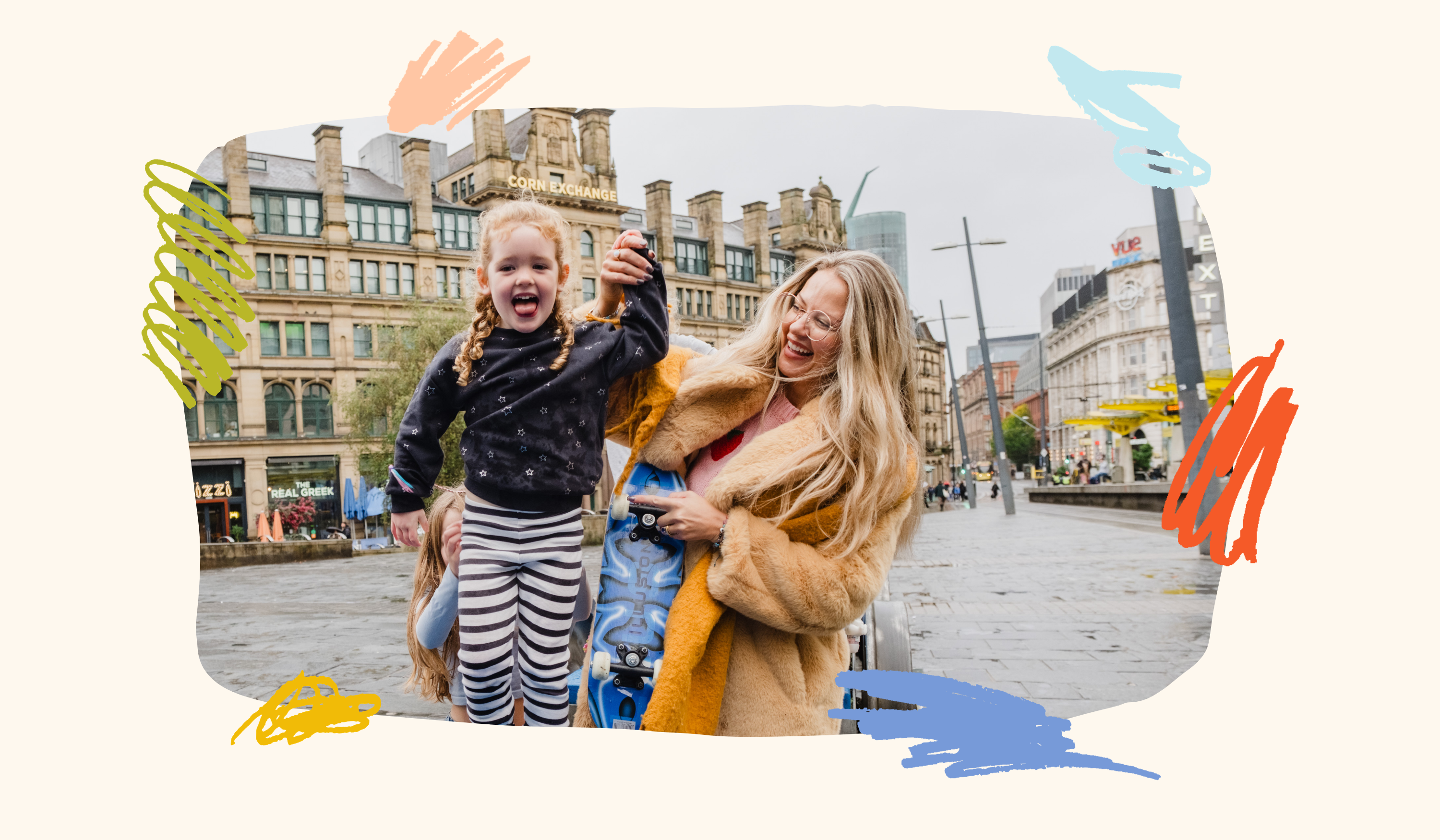
You may also worry that becoming a foster carer means giving up holidays, hobbies, days out, sport, music, faith activities, volunteering or time with your family and friends. Fostering does bring responsibilities, and plans often need to be discussed with the yours and the child’s social worker. But it does not mean your life has to stop.
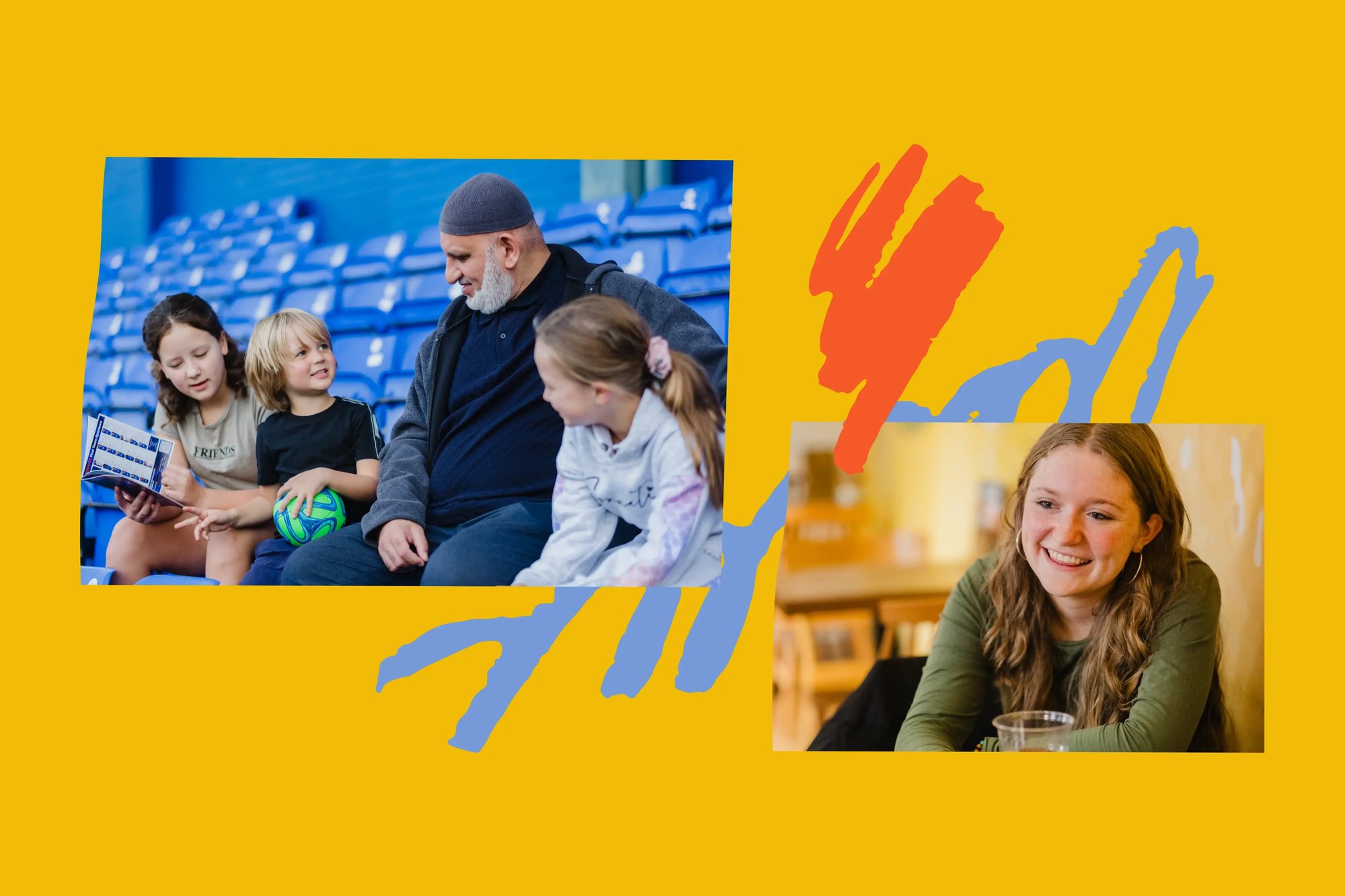
In many cases, the aim is to help a child become part of ordinary family life, with the right planning, guidance and safeguards in place. A walk in the park, a football match, cooking together, visiting relatives or sharing a hobby can all help a child feel included, valued and connected.
Fostering can help you grow, too
Flexibility in fostering is not only about your time, work patterns or household set-up. It is also about being willing to learn and adapt. Children and young people may come into your home with different experiences, traditions, languages, beliefs, foods, celebrations and ways of seeing the world.
As a foster carer, you can help a child feel accepted for who they are by listening, asking questions and being open to learning. That might mean supporting a child’s faith, culture, language, family relationships, routines or community connections. It might also mean adapting your family life so they feel included without being expected to leave important parts of their identity behind.
You don’t have a navigate all this on your own though, you’ll get all the training and advice you need from your local council’s fostering service, and other foster carers are always on hand to help you through your journey of discovery.
Different children need different strengths
Different children need different strengths. Some need a gentle, steady home after uncertainty. Some need help with routines, school, hobbies or health appointments. Some need foster carers who can support their identity, culture, religion, language and relationships. Others may need specialist care because of additional emotional, physical or educational needs.
You do not need to be able to do every kind of fostering to make a difference. You may be calm in a crisis, practical and organised, good with teenagers, patient with younger children, experienced in disability support, or confident working with professionals. Throughout the assessment process we can help identify where your strengths could be most valuable.
Support helps make fostering sustainable
Fostering is flexible, but it is not something you are expected to do alone. Foster for Greater Manchester brings together the ten local councils in Greater Manchester to support foster carers and help local children stay close to the people, schools and communities that matter to them. You’ll receive on-going training and be supported by your social worker, peer groups, foster carer ambassadors, local foster care associations, the wider local council fostering team.
Take the first step
Fostering is more flexible than many people think because children need many different kinds of care, and foster carers bring many different lives, households and strengths. From a few nights a week to a long-term home, from supporting teenagers to caring for younger children, from combining fostering with work to beginning a new chapter later in life, there may be a way to make a difference that works for you.
For you, fostering may be possible right now. Or it may be something to plan for in six months, a year or at a different stage of life. Exploring fostering does not commit you to becoming a foster carer, but it can help you stop ruling yourself out based on assumptions that may not be true.
If you have room in your heart and your home, Foster for Greater Manchester would encourage you to take the first step. Read more, ask questions or come to one of our local drop-in sessions. To arrange an informal chat about fostering, please complete our enquiry form.
You might be closer than you think to becoming the safe, steady and supportive person a local child needs.
Let's chat
If you have room in your heart and your home, and curious to learn more about becoming a Foster Carer, please take the time to read the information on our website.
Once you are ready to take the first step on your journey to becoming a foster carer, please get in touch with us via
- The Enquiry Form
- Email at enquire@fosterforgm.com
- Phone on 0300 303 0321
A committed and friendly member of our team will contact you within one working day of your enquiry and are here to answer any further questions you may have about fostering. They will also explain and guide you through our step-by-step approach in your journey to becoming a foster carer.