
"I fostered a mother and her baby – here’s why I’d do it all again"
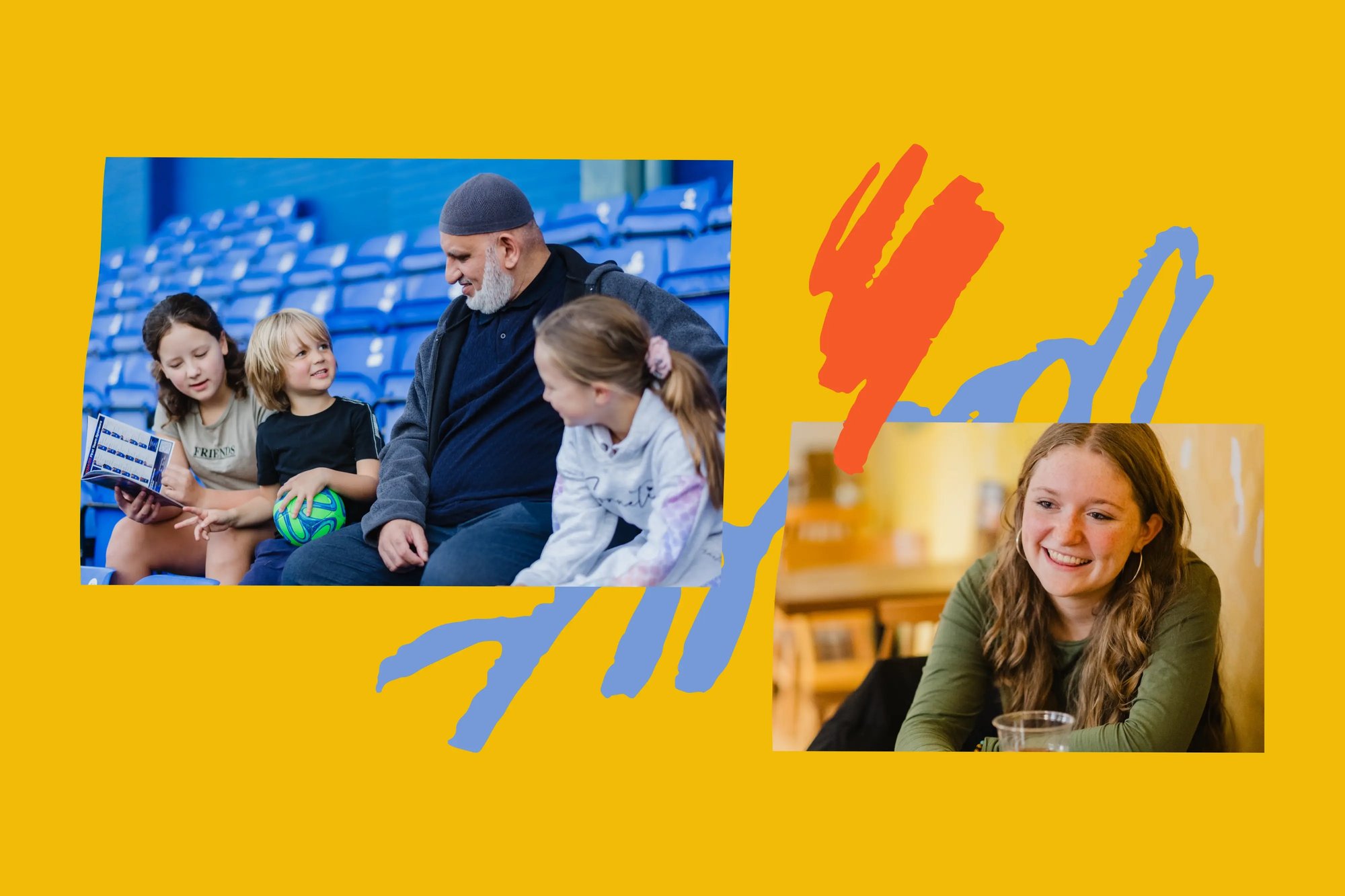
Bury couple Samah and Qasim have fostered 14 children in the last ten years, from toddlers to teenagers looking ahead to an independent life.
After an unexpected phone call one evening, they were asked to do something you might not expect a foster carer to take on: caring for a 16-year-old mother and her four-week-old baby.
This article was featured in CBeebies Parenting
Family inspiration
Samah had strong role models to look up to in the world of fostering: her own family. “My parents did it before me for quite a while. Aunts as well,” she explains. “That gave us an insight into supporting and helping children.”
Seeing the difference her parents and wider family were making in the local community was enough to convince Samah and Qasim that fostering was right for them.
“We love children anyway. We discussed if we're ready for it - you need to think about it emotionally, financially, if you've got the space. You need to think about your future because your whole life changes around it.”
“[Qasim and I] had our first birth child, she was less than a year old, when we thought about fostering. We felt it was the right time as our child would grow up understanding fostering with us, sharing her home with others, and seeing first-hand the difference it can make in a child's life.
“And now I have two birth children who have been raised in a fostering household. Growing up alongside foster children has helped them develop empathy, understanding and acceptance.”
Getting started as a foster carer
Creating a safe space for children, alongside their own, soon became second nature for Samah and Qasim. Samah took the opportunity to go part-time and eventually leave her work to focus on fostering. But it wasn’t always straightforward.
“It was scary at the beginning, because I had my own birth child, who was very young,” Samah says. “And obviously, you've got a stranger coming to live with you. You don't know what their impact will be, what their trauma is, how they're going to react to you as a family.
“You get a little bit of the background from the social worker, but as a person, you won't know them until you live with them for a while. Every child can react differently.” However, time together usually smoothes things out. “They just warm up to you,” Samah explains. “They connect with you and that's it.”
Fostering a mother and her baby
Sometimes foster carers get a lot of notice from their social workers, with time to think. Other times they might be approached with an emergency placement. This is when a child needs immediate care, perhaps for the night, perhaps for longer.
One day, Samah and Qasim found themselves contacted with an emergency. The social care team gave the couple some background information and answered their questions, which allowed them to make their decision.
“We picked up a cot and other essential bits as fast as we could to ensure her first night at our home was comfortable and welcoming.”
After that first night, the 16-year-old mother and her four-week-old baby spent another two years with Samah’s family. “[the mum’s] school is just down the road from where we live. It made her life much easier, because she could still attend school and do her GCSEs and she wasn't far from her baby.”
One of the family
When the mother and baby joined their family, Samah and Qasim’s children were six and four years old and took on the roles of older siblings. “They really cared for the baby, played with him, and built a lovely connection. They made sure he felt safe, happy and included.”
It was a nice experience because it allowed me to not take that mother role, but teach a young mum how to look after her newborn. You really could see she was warming up to us and asked questions like, ‘How do I do bath them?' 'How do I do start weaning?’
“It was nice to see because she grew to be a really, really good mum.”
At the age of 18 and with a toddler in tow, the mum left Samah and Qasim’s home. “She has gone into independent living now. She wants to live her own life and she was excited about it. But now and again she'll say hi.”
Letting go
It’s in the nature of fostering that there comes a point when you have to let the child leave. If you’ve built a connection, how do you do it?
“I get asked that question a lot,” Samah says. “You've nurtured them, cared for them, taught them, and given them a safe, loving environment where they can feel valued and supported.
“When a child leaves, I know I’ve done my very best for them. I understand they can’t stay with me forever and fostering is often about helping them move forward to the next stage of their journey. Of course, I miss them. You build relationships and create memories together, so it’s natural to feel that loss.
At the same time, Samah feels great satisfaction as the child moves on.
“I love seeing children reunited with their families when that's the right outcome, or watching them go on to thrive and live their best lives. That makes it all worthwhile, and it's why I'll continue fostering for as long as I can.”
Advice for potential foster carers
If you’re considering becoming a foster carer, Samah has some simple advice.
“Speak to someone who's fostered before and find out what the experience is really like. And if you think you've got the space, you've got the love, you've got the care, and you've got the ability to give a child a safe and supportive home, then just go for it.
Fostering can be challenging at times, but it is also one of the most rewarding things you can do. The difference you make to a child and their future is immeasurable.”
If you have room in your heart and your home, and curious to learn more about becoming a Foster Carer, please take the time to read the information on our website.
Once you are ready to take the first step on your journey to becoming a foster carer, please get in touch with us via
- The Enquiry Form
- Email at enquire@fosterforgm.com
- Phone on 0300 303 0321
A committed and friendly member of our team will contact you within one working day of your enquiry and are here to answer any further questions you may have about fostering. They will also explain and guide you through our step-by-step approach in your journey to becoming a foster carer.