

Everyday moments, life-changing impact: new campaign urges more people in Greater Manchester to consider fostering
14.10.26 | 4 minute read
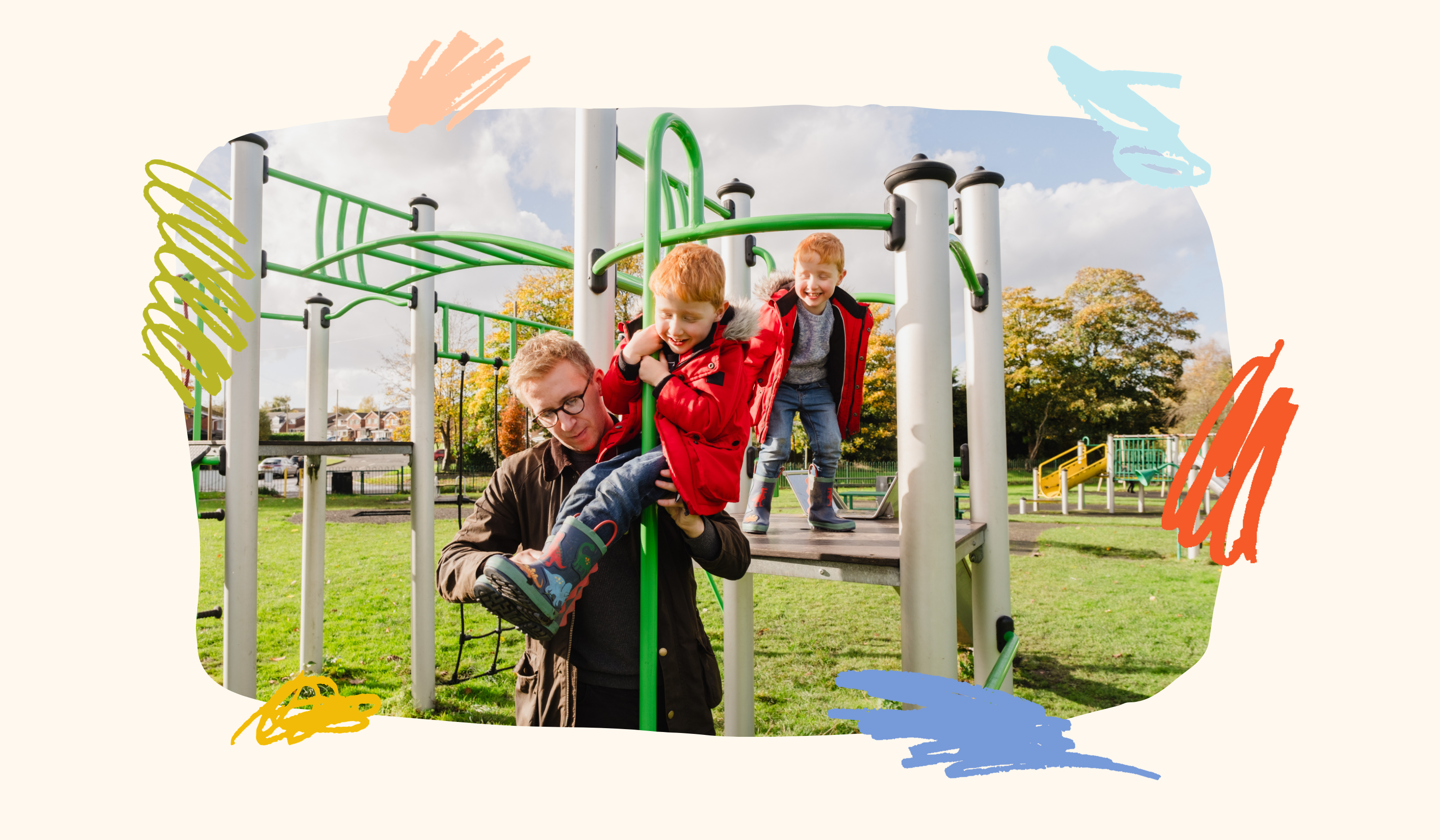
Everyday acts of care can make a lasting difference to a child’s life.
A new Department for Education campaign is calling on more people across Greater Manchester to consider fostering by showing people they may already have what it takes to become a foster carer.
By highlighting how everyday acts of care, from helping with homework to sharing a meal, and challenging misconceptions about who can foster, the campaign shows how these moments can help children feel safe, supported and settled, and make a lasting difference to a child’s life.
New government research reveals that many people believe they could be good foster carers. However, misconceptions about who can foster may be leading people to needlessly rule themselves out. Around one in five mistakenly believe foster carers must earn above a certain income (22%), own their home (20%) or be married or in a long-term relationship (18%).
Across the North West of England, two thirds of people (65%) believe they could be a good foster carer if the practical barriers they perceive were removed. Yet 15% say doubts about their own ability are the single biggest factor that could prevent them from fostering.
The campaign aims to reassure people that training, guidance and ongoing support can help them develop the skills and confidence they need to foster and encourages anyone considering fostering to find out more before ruling themselves out.
Foster for Greater Manchester’s ‘Skills to Foster’ training course is delivered across all ten boroughs of Greater Manchester to enable prospective foster cares to choose a training session that best suits them. This free course provides a solid introduction to fostering and is designed to help manage expectations about the roles and responsibilities of being a foster carer. Once approved, each local authority provides ongoing training for their foster carers.
Busting myths about who can foster
Official figures for England show the number of foster carers fell from 63,890 in 2021 to 56,345 in March 2025 - a 12% drop. Yet the number of looked after children has risen by nearly 20% over the past decade.
Misconceptions still persist around the type of person who can foster and how fostering can fit into everyday life, with 39% believing fostering is incompatible with working full time and three in ten (30%) believing previous childcare experience or qualifications are required.
Emma Collins from Dukinfield, has been fostering local children since November 2025 after discovering that being single and working full-time are not barriers to being a foster carer. After finding out more about the different types of fostering available, she became an emergency and short-break foster carer for children aged between 0 and 10 years old.
Emma said: “It’s so flexible, which is perfect as it fits in with my lifestyle.”
The everyday moments that help children feel settled
The survey also found that people are more likely to see fostering as different from ordinary family life than similar to it. Four in ten (42%) said fostering was different from ordinary family life, compared with 33% who considered it similar.
But for children and young people in foster care, familiar routines and seemingly ordinary moments can provide important consistency and connection.
Lauren and husband Danny from Heywood currently care for five young lads aged 12 to 21 with Lauren joking that that ‘the washing machine is non-stop’. Each child has their own routines including going to the gym or gaming, but it’s football that plays a big part of the daily routine. Danny said that “We can sit and talk about football for a few hours every evening ”.
From training and coaching on weekdays to refereeing and playing matches at the weekend, the house is football mad and it’s their passion for the sport which connects them as a family and what has helped the lads to create a strong brotherly bond. Lauren explains that “it’s so lovely to see the smiles on their faces when they’re all playing football together in the back garden.”
More homes for children who need them
Following a 12% decline in approved foster carers from 2021 to 2025, the Department for Education aims to create 10,000 new foster care places by 2029, helping to ensure more children and young people can access the safe and supportive homes they need.
As well as the campaign, this is also supported by further reforms to make fostering more accessible and help it to fit around busy modern lifestyles. This includes a new rulebook for foster carers that humanises the decision-making process, digital tools to speed up recruitment, and funding for innovative and more flexible new approaches to fostering.
Despite the need, awareness of the scale of fostering need remains low.
Across England, only 3% of people surveyed correctly identified roughly how many children were living with foster carers in their region, while nearly one in four (22%) underestimated the number, and the majority (62%) couldn't name a figure at all.
The government is encouraging people who may have previously assumed fostering was not for them to learn more about the different circumstances, backgrounds and experiences foster carers can have.
Let's chat
If you have room in your heart and your home, and curious to learn more about becoming a Foster Carer, please take the time to read the information on our website.
Once you are ready to take the first step on your journey to becoming a foster carer, please get in touch with us via
- The Enquiry Form
- Email at enquire@fosterforgm.com
- Phone on 0300 303 0321
A committed and friendly member of our team will contact you within one working day of your enquiry and are here to answer any further questions you may have about fostering. They will also explain and guide you through our step-by-step approach in your journey to becoming a foster carer.